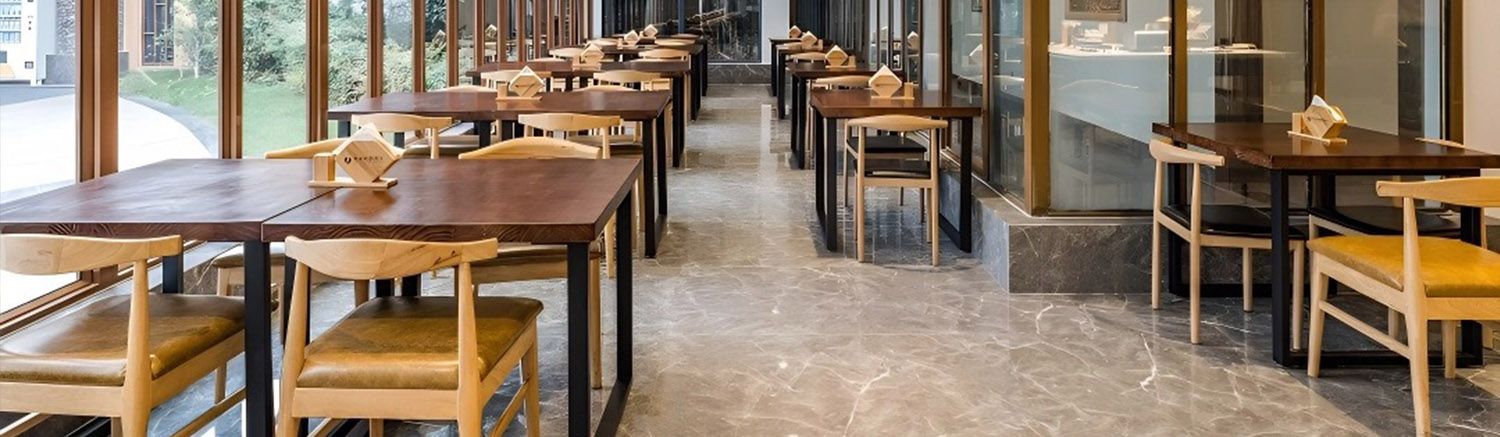
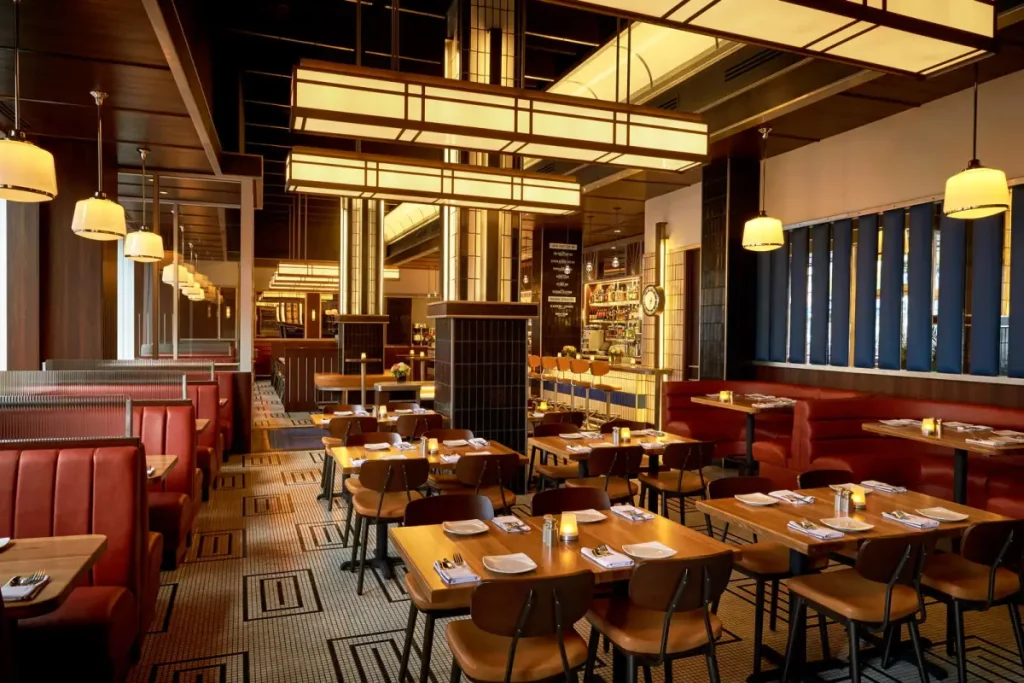
In 2026, Commercial Furniture has long evolved beyond mere decorative fixtures in commercial spaces, becoming a key element that determines operational efficiency, brand visual identity, and environmental compliance. The old practice of piling up elaborate designs for visual impact has gradually faded. Today, commercial spaces including chain restaurants, boutique retail stores, and business lounges are upgrading toward lightweight, functional minimalism. Meanwhile, standards for sustainable commercial furniture have shifted from optional extras to mandatory requirements for project cooperation and qualification reviews. Through long-term service for various commercial spaces, we have found that what clients truly value is not just appearance, but whether furniture can adapt to high-frequency use, reduce later maintenance costs, and align with current sustainable development trends—this is also the core focus of Konma’s product R&D.
Fancy shapes and redundant structures may seem eye-catching at first, but they bring many troubles in actual operation. For example, complex tables and chairs in catering spaces occupy too much circulation space and affect passenger flow turnover; heavy furniture in office and reception areas is not only difficult to move but also makes the space feel oppressive. Commercial space design in 2026 pays more attention to the logic of “less is more”. minimalist commercial furniture, with clean lines and unified tones, can adapt to multiple decoration styles while maximizing space utilization.
This shift also prioritizes the practicality of furniture. Konma’s slim aluminum-framed chairs and simple tabletop dining tables abandon unnecessary decorations and retain core functions. They integrate perfectly into industrial, log-style, modern minimalist and other commercial scenarios, and meet daily high-frequency use without affecting actual space operation due to styling issues.
For commercial projects, environmentally friendly materials are not only a reflection of social responsibility but also an important basis for passing qualification reviews and enhancing project competitiveness. The mainstream eco-friendly commercial furniture materials in 2026 feature recyclability, low pollution, and high durability. Konma adopts the following environmentally friendly materials in all production lines to meet the strict requirements of commercial customers from the source:
| Material Type | Environmental & Practical Value | Applicable Commercial Scenarios | Compliance Certification | Konma Product Application |
|---|---|---|---|---|
| recycled aluminum commercial furniture | Reduces raw mineral consumption by over 90%, infinitely recyclable, lightweight with high load-bearing capacity | Dining chairs, bar stools, space shelves | Recycled Material Inspection Certification | Slim aluminum-framed chairs, metal-frame leisure furniture |
| FSC certified wood commercial furniture | Timber harvesting complies with sustainable forest management standards, stable and not easily deformed | Commercial dining tables, conference tables, display cabinets | FSC Forest Management Certification | Solid wood composite dining tables, custom reception desks |
| low-VOC commercial furniture | Coating volatile harmful substances far below industry standards, no pungent odor, ensures indoor air safety | Surface treatment of all categories of furniture | GREENGUARD Environmental Certification | Coating process of all products |
| Recycled PET Fabric | Made from recycled plastic bottles, stain-resistant, wear-resistant, washable, reduces white pollution | Upholstered sofas, leisure seats | Recycled Material Environmental Certification | Upholstered furniture for commercial leisure areas |
Choosing eco-friendly commercial furniture also effectively reduces long-term environmental costs. Many long-term partners have reported that such furniture depreciates more slowly and needs replacement much less frequently, indirectly saving overall space renovation investment.
Fixed-style furniture can hardly meet the flexible adjustment needs of commercial spaces. For example, the difference in passenger flow between lunch and dinner in catering stores, function switching in co-working spaces, and phased layout adjustment in retail stores all require furniture that can be quickly reorganized. Konma’s modular commercial furniture system realizes free combination and disassembly of tables, chairs and cabinets through standardized splicing structures.
This modular system has multiple practical advantages:
Many chain brands give priority to such modular products in bulk procurement, which saves the tedious process of customization, maintains unified furniture style across all stores, and adapts to spatial pattern differences of different stores.
Minimalist design does not mean functional compromise. Commercial Furniture in 2026 has begun to integrate lightweight intelligent functions into design, balancing aesthetics and practicality. Based on existing minimalist products, Konma is also exploring intelligent upgrades more suitable for commercial scenarios, such as integrating wireless charging modules into dining tables to meet charging needs of customers and office workers, adding ergonomic curved support to chairs to improve sedentary comfort, and selecting scratch-resistant and easy-to-clean tabletop materials for high-frequency use scenarios such as catering and retail.
These subtle functional upgrades do not damage the overall aesthetic of minimalist commercial furniture, but greatly improve the service experience of commercial spaces, making furniture a real boost to space operation rather than mere decoration.
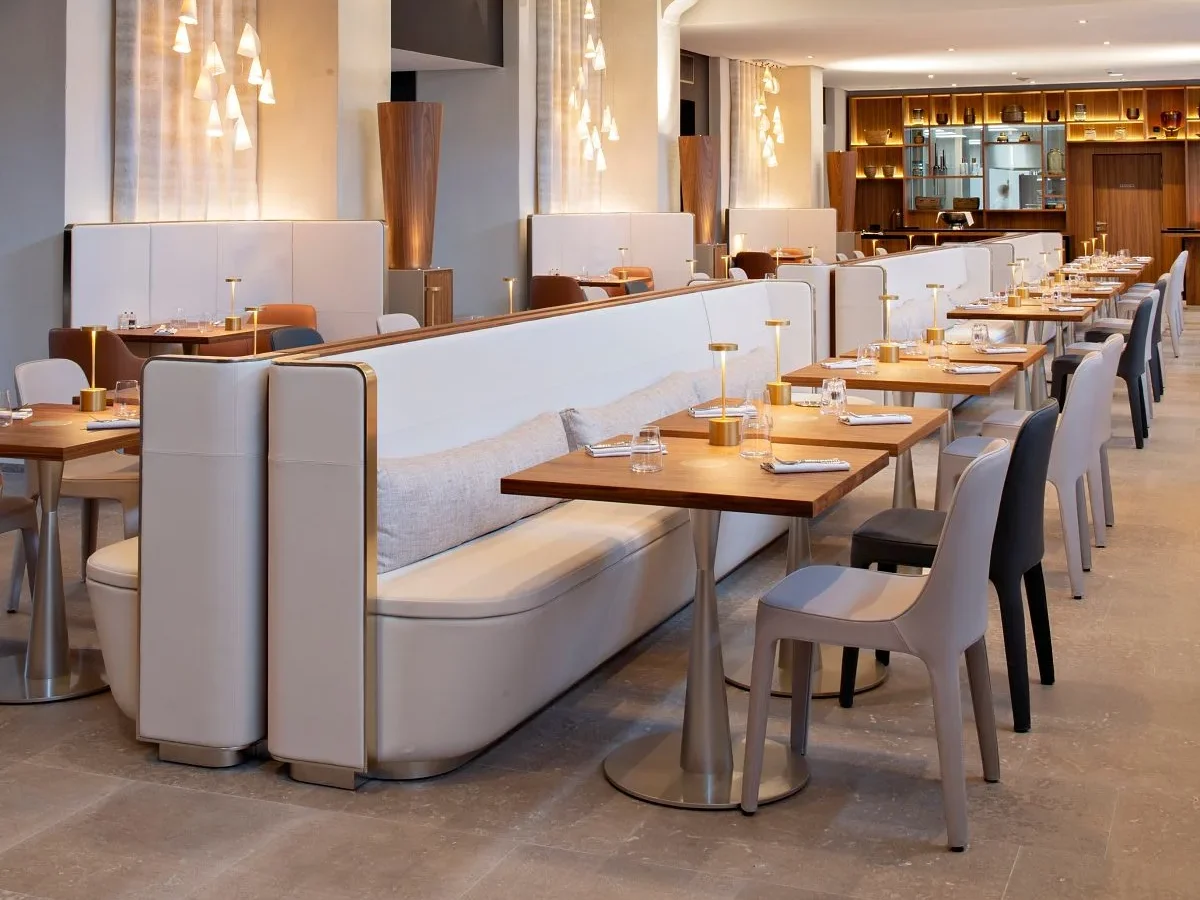
After 2026, the development of Commercial Furniture will continue to move toward sustainability and minimal practicality. The application of eco-friendly materials will become more popular, and modular and lightweight intelligent design will also become industry standards. Konma will continue to deepen the commercial furniture field, based on eco-friendly materials and minimalist design, providing custom commercial furniture solutions that are durable, beautiful and highly adaptable for various commercial spaces, helping customers create efficient and high-quality commercial spaces.
If you are selecting suitable furniture for your commercial space, you can visit website to learn about Konma’s full range of sustainable commercial furniture products. We provide on-site survey, customized solutions and bulk supply services to match the use needs of different commercial scenarios.
In March 2026, as competition in the bar industry becom […]
In 2026, the pet consumption market continues to grow r […]
In Abu Dhabi’s luxury dining scene, the most succ […]
Why is the matching of sofas in themed Western restaura […]
Related links:
About us Company News Industry Dynamics Table Chair Outdoor-furniture Sofa Latest dining chair Other SSL 100% Secure Transactions