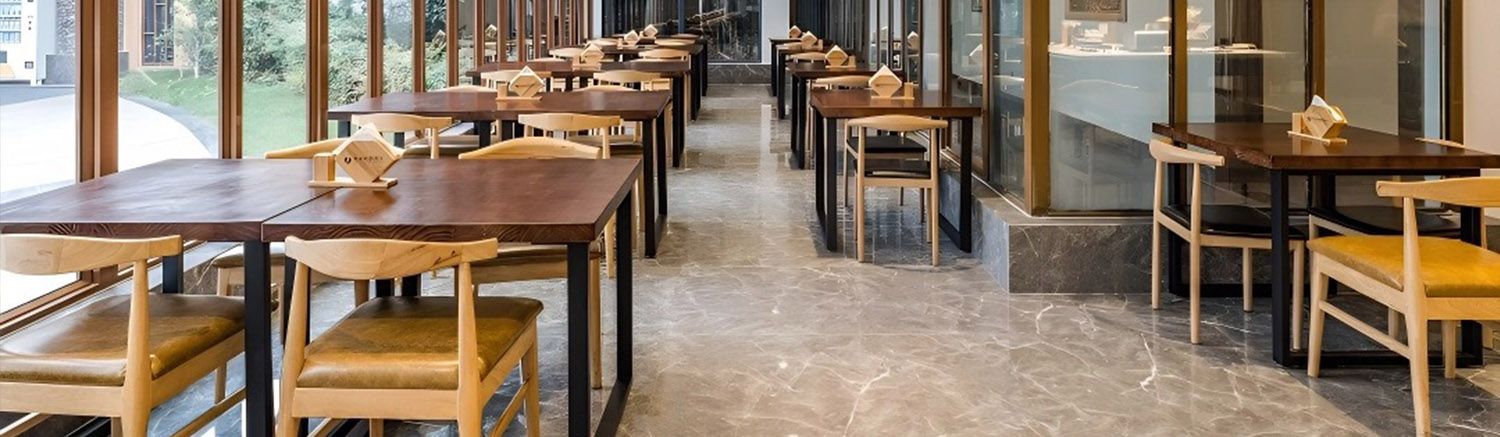
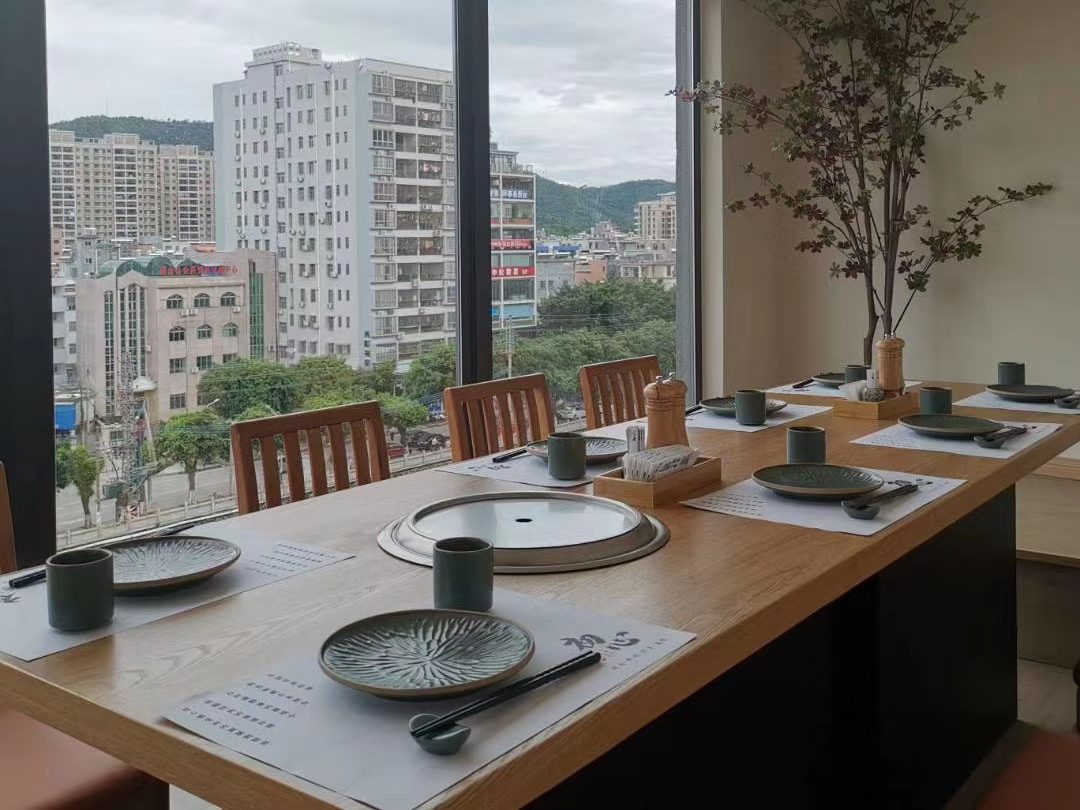
Opening an authentic Japanese BBQ restaurant is about more than just food; it’s about delivering a cultural experience. The Japanese BBQ table, as the centerpiece of your restaurant, and its accompanying design are critical. This guide breaks down the key selection criteria and design pitfalls to help you create a safe and appealing dining environment. Many entrepreneurs are surprised to learn that Japanese BBQ tables can be fully customized by professional manufacturers like Konma. Beyond being a simple table with a grill, every detail—from the tabletop to the legs—matters for functionality and style. I. The Heart of the Japanese BBQ Table: Matching the Grill and Tabletop Your choice starts with the grill.
So, which tabletop pairs best with your grill type? See the table below for a clear comparison:
| Grill Type | Recommended Tabletop Material | Material Characteristics & Advantages |
|---|---|---|
| Charcoal Grill | Pyrophyllite, Heat-resistant Glass, High-quality Solid Wood (e.g., Elm) | Offers superior heat resistance, safely withstanding direct high heat from charcoal while maintaining appearance. |
| Electric Grill | Quartz Stone, Artificial Marble, Engineered Wood, Standard Solid Wood | Wider range of options, focusing on aesthetics and cost-effectiveness. Electric heat is more concentrated, lowering overall heat resistance needs. |
Consider this: Do you prioritize an authentic charcoal-grilled experience for your customers, or is operational ease and safety your top concern? This is your first decision. II. Crucial Details: Table Legs and Overall Customization Table legs are not just for support; they impact safety and style.
III. The 2025 Guide to Japanese BBQ Restaurant Design The ambiance is key to customer retention. Here are the essentials:
Q&A Section:
Selecting the right Japanese BBQ table and combining it with thoughtful design is the first step to your restaurant’s success. It directly impacts customer experience, operational safety, and long-term viability. We hope this guide provides valuable insights for your project.
In high-temperature areas where the average daily UV in […]
When guests drop $200 or more per head at a fine dining […]
Most teams handling restaurant chain furniture procurem […]
In China’s 2025 catering market, with consumption […]
Related links:
About us Company News Industry Dynamics Table Chair Outdoor-furniture Sofa Latest dining chair Other SSL 100% Secure Transactions