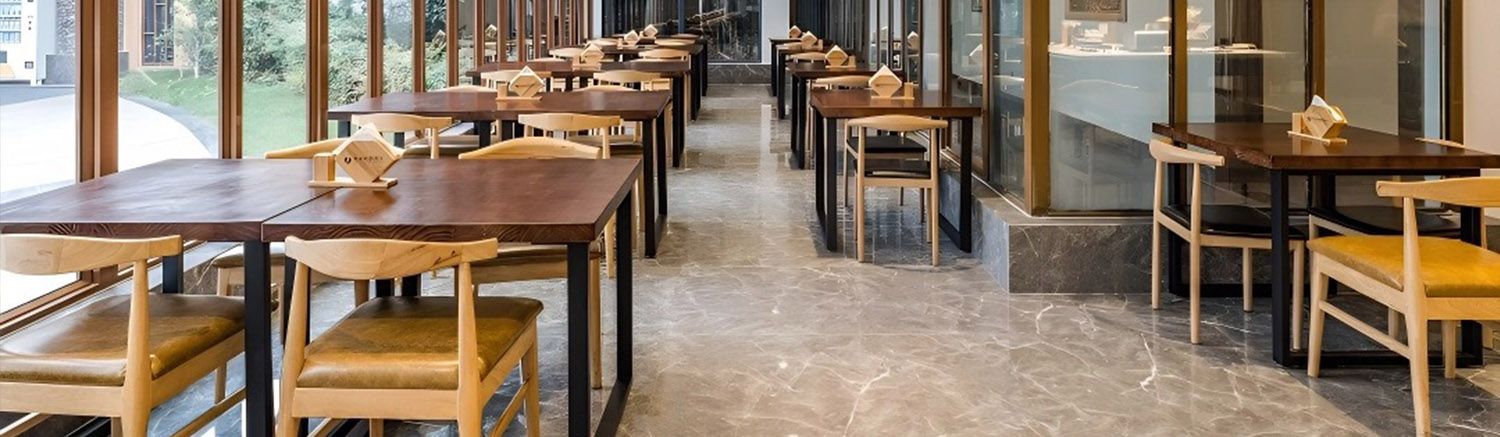
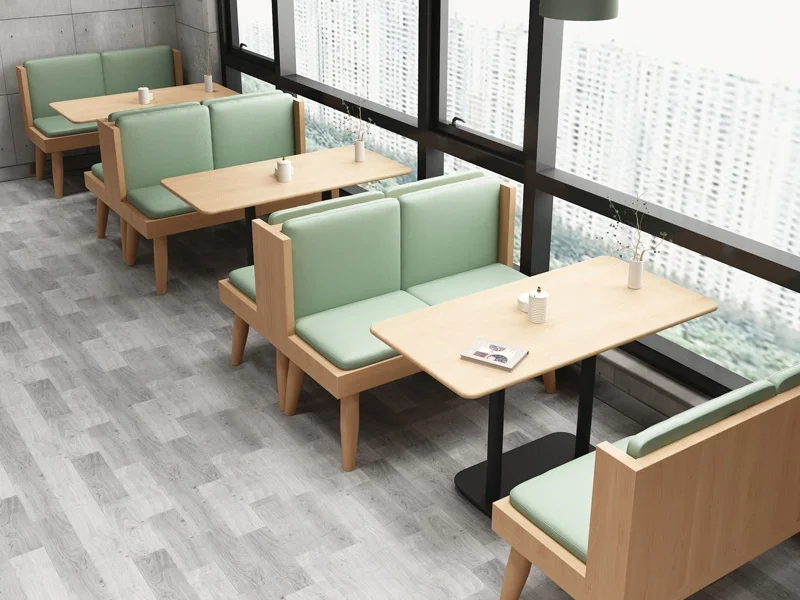
For restaurants, service quality, decoration style, and pricing strategy jointly determine the brand grade, and furniture customization is a key link to fit the grade positioning. Among them, the Restaurant Booth is one of the core furniture, which not only affects space utilization but also directly relates to customers’ dining experience—cleanliness, comfort, and visual harmony are all implicit considerations for diners when choosing a restaurant. From the perspective of actual operation, a professional and demand-oriented Restaurant Booth design can enhance the restaurant’s taste through detailed polishing and stand out in the fierce market competition.
The design of Restaurant Booth cannot be separated from the overall positioning. Restaurants of different grades need to match corresponding styles and functions:
The design must combine engineering structure knowledge and production process to ensure that the Restaurant Booth is both beautiful and durable, avoiding wear and tear caused by unreasonable structure.
The anti-slip design of Restaurant Booth directly affects usage safety, and different floor materials require targeted matching:
| Floor Type | Anti-slip Solution | Advantages |
|---|---|---|
| Carpeted Floors | No additional anti-slip pads needed | Cost-saving, avoiding damage caused by friction between anti-slip pads and carpets |
| Tile/Marble Floors | Install black high-elasticity anti-slip pads | Anti-slip coefficient ≥0.8, fits the floor without displacement, and has good noise reduction effect |
| Wooden Floors | Attach silicone anti-slip strips (on sofa legs) | Protects the floor from scratches, reduces movement noise while preventing slipping |
Customers have high requirements for the cleanliness of Restaurant Booth, so the design of the upholstery part is particularly crucial:
Q: What is the most easily overlooked detail in Restaurant Booth design?A: It is the balance between anti-slip and cleanliness. Many restaurants only focus on appearance but ignore the anti-slip needs of different floors, or use non-detachable upholstery, leading to difficulty in cleaning after long-term use and affecting customer experience.
Q: How to avoid monotony in the design of simple-style Restaurant Booth?A: You can enhance the design sense through material splicing (such as wooden frames + fabric upholstery) and detailed decorations (such as metal rivets, embroidered logos), which not only does not damage the simple tone but also increases memory points.
The core of Restaurant Booth design is to polish details based on customer needs on the premise of aligning with the restaurant’s positioning. Targeted anti-slip solutions, practical transformation of detachable upholstery, and precise adaptation of ergonomics can not only improve dining comfort but also help the restaurant form a differentiated advantage in homogeneous competition. For furniture customization, paying attention to these details can make the Restaurant Booth truly a “plus point” for the restaurant, boosting both brand reputation and competitiveness.
Running a hookah lounge, choosing the right Hookah Loun […]
Walk into any upscale cocktail lounge or whiskey bar, a […]
Every home deserves a special spot where the family can […]
In 2026, the catering industry continues to witness rap […]
Related links:
About us Company News Industry Dynamics Table Chair Outdoor-furniture Sofa Latest dining chair Other SSL 100% Secure Transactions