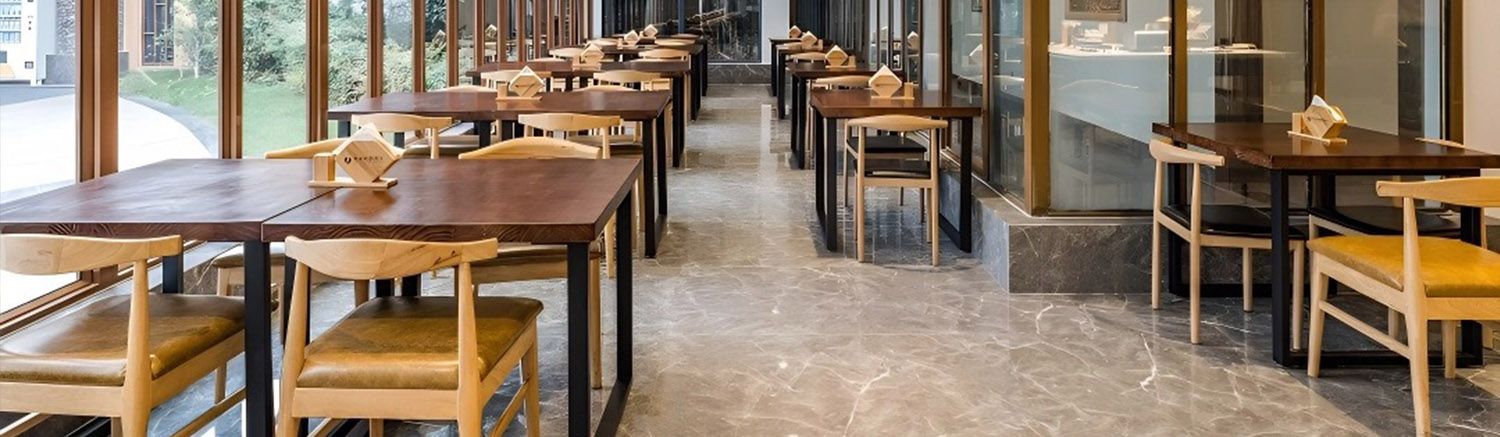
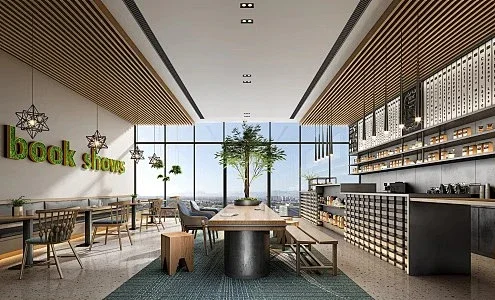
When guests drop $200 or more per head at a fine dining spot, they aren’t just paying for A5 Wagyu or dry-aged duck. They’re buying an escape—an environment where every detail feels deliberate.
If a dining chair feels feather-light when pulled out, if downlights bounce off a cheap plastic-looking tabletop, or if conversations from three tables over ring through the room, that luxury illusion shatters instantly.
At Konma, we manufacture custom restaurant furniture for high-end hospitality venues. Here is our practical, field-tested breakdown of how to use materials, colors, acoustics, and tactile details to build a physical space that commands a premium price tag.
| Parameter | Fine Dining | Japanese Omakase / Kaiseki |
| Core Vibe | Intimate, moody, prestigious, immersive | Tranquil, minimalist, artisan-focused, organic |
| Primary Material Mix | Matte walnut or slim metal frame + top-grain leather or velvet | Uncoated natural timber (North American Walnut, Hinoki, White Ash) |
| Color Palette | Dark warm tones (deep walnut, forest green, burgundy, matte black) | Natural timber, off-white, micro-cement grey, raw linen |
| Tactile & Acoustic Goal | Sound-absorbing padded surfaces, dense plush seating | Warm raw wood touch, zero plastic film, smooth natural grain |
| Ergonomic Specs | 2-Person Table ≥ 80x80cm (space for stemware & side plates) | Counter Top Thickness ≥ 50mm, Seat Width ≥ 60cm |
If a chair feels weightless or hollow when pulled out, the perception of luxury drops immediately. A commercial fine dining chair should weigh between 7.5kg and 11kg. Physical weight signals quality before a guest even sits down.
High-gloss table coatings show micro-scratches within three months of heavy dinner service. Low-grade PU leather creates an artificial sheen under track lights and retains trapped odors in enclosed rooms.
A proper tasting menu requires room for bread plates, amuses-bouches, and multiple wine stems. Any two-top table narrower than 80cm creates clutter, leaving servers scrambling for space and ruining the pacing of the meal.
High-end dining rooms usually feature hard surfaces like polished concrete, marble, or hardwood. Screeching chair legs ruin a peaceful room instantly. Equip every chair leg with heavy-duty brass or Teflon silent glides.
Custom commercial furniture involves wood kiln-drying, precision leather cutting, ergonomic mockups, and foam molding. At Konma, our standard production run takes 30 to 45 days. We recommend involving your furniture manufacturer during the early interior FF&E phase to avoid pushing back your opening date.
Focus premium materials where guests touch them most. Use high-abrasion, stain-treated semi-aniline leather or commercial-grade heavy woven textiles on seat cushions and backrests. Build internal frames out of solid hardwoods (like North American Walnut or Ash) joined with traditional mortise-and-tenon construction. This setup gives you tactile luxury without sacrificing structural integrity.
Our engineering team takes your initial mood boards, renders, or CAD drawings and refines them for real-world production. We provide value engineering options, structural tweaks, and 1:1 physical prototypes so you can test the comfort, scale, and finish before placing the full production order.
Furniture isn’t just room dressing—it’s the single physical element your guests interact with continuously throughout their two-hour meal. From the weight of a chair frame to sound-dampening upholstery, every detail reinforces your price point.
Konma builds custom commercial restaurant furniture that helps hospitality operators and interior designers bring ambitious spaces to life.
Ready to elevate your dining room experience? Contact the Konma team today to discuss custom furniture options or request material sample kits for your upcoming project.
It’s always the footrest ring on a barstool that gets r […]
The Pearl River Delta, a region known for its vibrant e […]
Running a hookah lounge, choosing the right Hookah Loun […]
Today, a café is more than just a place to drink coffee […]
Related links:
About us Company News Industry Dynamics Table Chair Outdoor-furniture Sofa Latest dining chair Other SSL 100% Secure Transactions