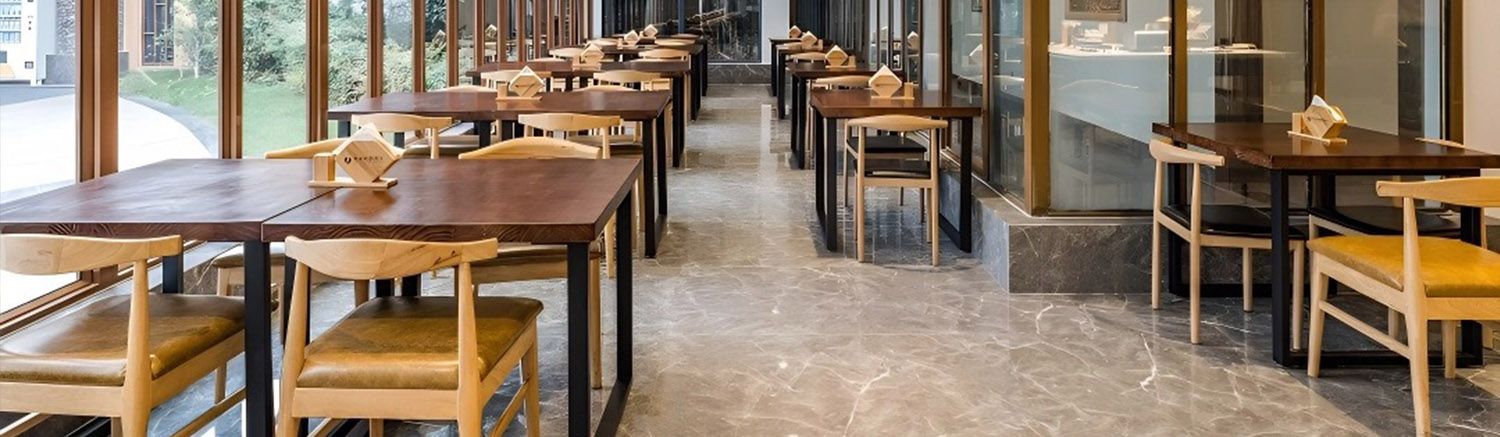
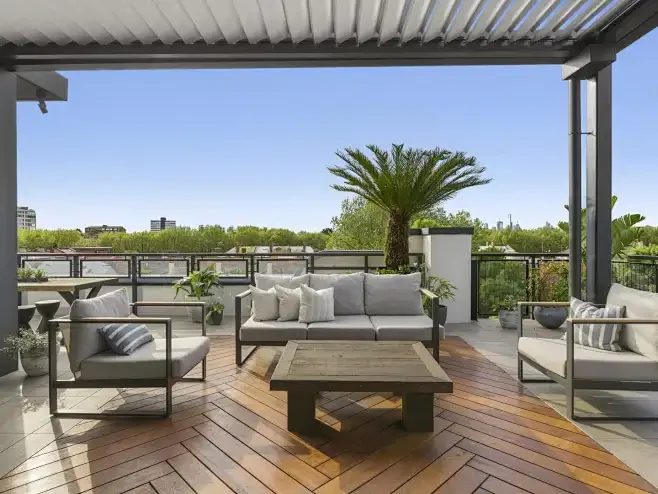
Most catering venues suffer from sharp outdoor passenger flow decline after autumn. To revitalize off-season outdoor seats, adopting modular outdoor dining enclosure furniture with detachable wind and thermal barriers is the most efficient solution. Many venue operators purchase windproof components separately but fail to solve wind leakage, table condensation and wind-induced displacement, leaving decorated outdoor areas idle. This is the most common hidden pain point in outdoor catering renovation.
In fact, 90% of standalone glass screens and polyester wind curtains are mass-produced in universal sizes, mismatching the base spacing of outdoor tables and chairs. Permanent gaps of 3-8cm exist between furniture legs and barrier bottoms, allowing cold wind to flow in continuously via bottom negative pressure. Even high-power heaters can only retain half of indoor heat within 15 minutes, which is the core cause of outdoor heating inefficiency with open wind, rather than insufficient heater power.
Fully transparent PC domes and glass enclosures deliver premium lighting, yet condensation accumulates rapidly on panels when the diurnal temperature difference exceeds 12℃. Dripping water contaminates tableware and wets upholstered chairs, making clear dining dome condensation problem a long-term headache for operators. However, transparent enclosures are not inherently defective. Konma’s integrated barrier and furniture sets adopt pre-set staggered vents and sunken drainage troughs, eliminating over 90% of surface condensation structurally without extra auxiliary equipment. Staggered vents also release excess hot air under direct sunlight to avoid stuffy dining conditions.
Welded fixed barriers permanently occupy fire access routes and cause congestion during peak hours. They cannot be disassembled in spring and summer, resulting in wasted outdoor landscape space. For detachable models, stackable performance and storage volume directly determine long-term operational costs.
All parameters in the table are updated with 2026 field test data instead of laboratory ideal indicators, verified under real wind and rain conditions:
| Integration Type | Field Wind Resistance | Indoor-Outdoor Temperature Difference | Approval Difficulty | Furniture Integration | Assembly Labor | Applicable Climate | Storage Difficulty |
|---|---|---|---|---|---|---|---|
| Weighted Planter + Heating Rail Screen | Good (Level 5-6 gusts) | Medium (6℃ difference) | Low | High | 1-2 staff | Temperate zones with mild winters | Low |
| Floor Track Glass Sliding Door | Excellent (Level 6-7 gusts) | Excellent (11℃ difference) | Medium | High | 2 staff | Cold and coastal windy areas | Medium |
| Retractable Awning + Side Windproof Curtain | Medium (Level 4-5 gusts) | Medium (5℃ difference) | Low | Medium | 1 staff | Humid areas with mild temperature fluctuation | Low |
| Independent Transparent Dome Unit | Good (Level 5-6 gusts) | Excellent (10℃ difference) | Low | Medium | 2 staff | Small private dining layouts | Medium |
Cheap outdoor sets only rely on rubber anti-slip pads, which shift over 2cm under level 5 gusts. All Konma outdoor furniture adopts milled embedded grooves on leg bases for tenon connection with barrier bases, forming an integrated force-bearing structure without floor drilling. This structure offsets 85% of lateral wind pressure, meeting conventional winter wind resistance standards.
Outdoor frost and rain accelerate cable aging and leakage risks. All heating wires are embedded inside hollow aluminum barrier columns with EPDM waterproof insulation layers, resisting low temperature down to -25℃ without cracking, especially suitable for humid coastal venues.
Full enclosure causes carbon monoxide accumulation. 0-15cm stepless adjustable vents are reserved for humidity and temperature adjustment. 0.8cm sunken drainage troughs guide condensed water to bottom drain holes without damaging furniture upholstery.
Night outdoor passenger flow accounts for over 40% of total volume. Inbuilt 7mm grooves fit global 24V low-voltage light strips, maintaining integrated facade aesthetics without messy exposed wiring.
Enclosed spaces require targeted human-body heating instead of full-space air heating. The comparison meets demands of low-energy heating for enclosed outdoor patios:
| Heating Type | Heating Performance | Monthly Energy Consumption | Applicable Enclosure | Maintenance Difficulty |
|---|---|---|---|---|
| Vertical Gas Heater | 62% heat loss in semi-open layouts | 100% baseline | Retractable side curtains | Low, quarterly air tightness inspection |
| Infrared Radiant Heater | No upward heat dissipation loss | 37% consumption reduction | Full and semi-enclosed layouts | Minimal, regular surface dust removal |
| Tabletop Embedded Heater | Posture-aligned local heating | 45% consumption reduction | Glass track and dome enclosures | Medium, annual circuit inspection |
| Outdoor Heating Mat | 3℃ improvement of overall thermal comfort via foot heating | 22% consumption reduction | All fully enclosed layouts | Low, avoid sharp surface scratches |
Q1: How to upgrade low-lying patios with limited budget?
A: Choose weighted planter and screen sets with zero floor renovation. Raise barriers to 1.9m above seated head height to block lateral cold wind, the most cost-effective solution for low patio temporary wind retrofitting.
Q2: Do detachable barriers require official permits?
A: Most regions exempt permits for fully detachable barrier systems without floor fixation. Fire approval is required for gas heaters, and Konma provides full third-party compliance certificates.
Q3: How to prevent salt spray corrosion in coastal areas?
A: Ordinary spray coating fails in coastal climates. Konma adopts anodized aluminum and fluorocarbon spraying for all outdoor products, supporting 5-year salt spray corrosion resistance.
A suburban landscape bistro had 32 outdoor seats with only 19% average occupancy from November to February. It adopted Konma weighted planter and heating screen integrated systems with no floor drilling. After renovation, barriers remained stable under level 5-6 gusts with zero wind penetration.
Quantitative results: outdoor seat occupancy rose by 70% to 89%, and monthly outdoor revenue increased by 42%. The whole system can be disassembled and stacked by 2 workers within 4 hours, occupying only 23% of unfolded storage space.
All integrated solutions apply to mainstream outdoor catering markets including North America, EU and Australia. Local regulations vary on barrier ground clearance, fire rating and low-voltage circuit standards. Konma provides localized structural drawings and bilingual compliance documents for regional official inspections free of charge.
Winter outdoor renovation relies on systematic coordination of furniture, barriers, heating and drainage rather than standalone windshields. Disjointed separate procurement leads to structural and aesthetic defects due to disjointed design logic. With years of commercial outdoor furniture integration experience, Konma optimizes products covering structural stability, low-temperature protection and compliance. If you aim to eliminate seasonal outdoor passenger flow loss, contact Konma’s outdoor customized solution team directly.
Most catering venues suffer from sharp outdoor passenge […]
Opening an authentic Japanese BBQ restaurant is about […]
The Pearl River Delta, a region known for its vibrant e […]
Light misalignment of restaurant booths is a long-stand […]
Related links:
About us Company News Industry Dynamics Table Chair Outdoor-furniture Sofa Latest dining chair Other SSL 100% Secure Transactions