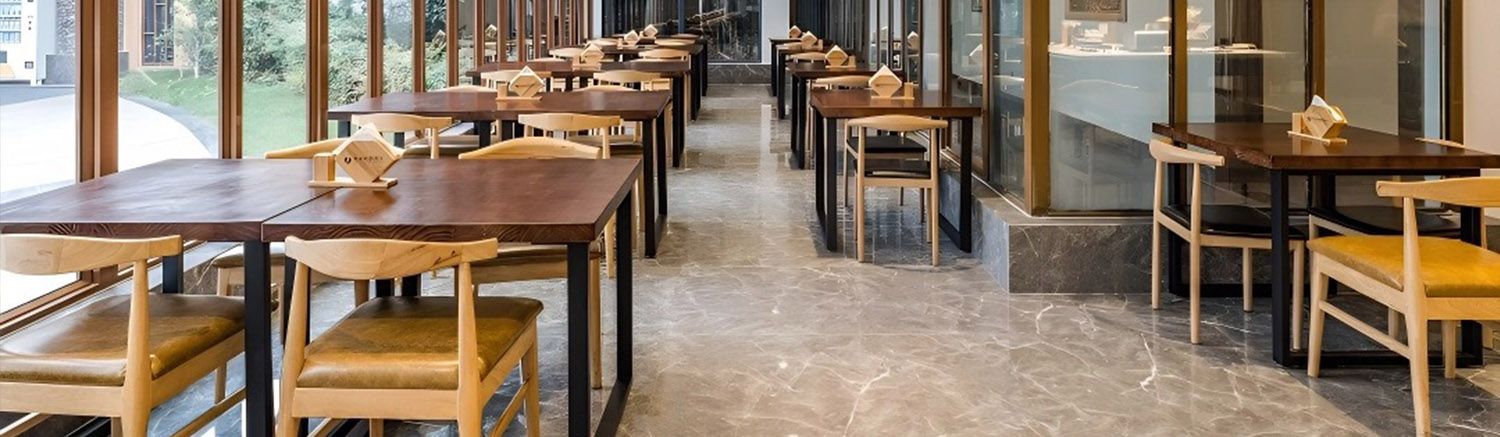
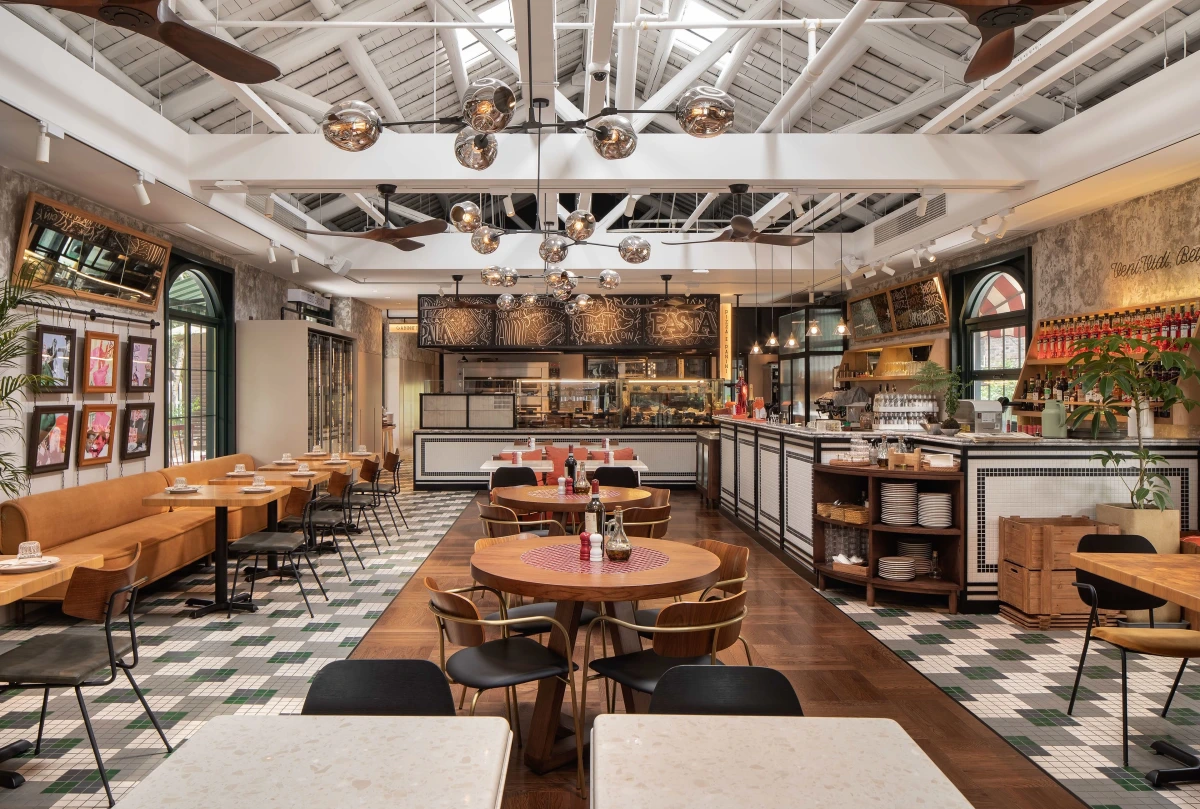
Restaurants transformed from old buildings carry a unique retro atmosphere, but they are constantly troubled by uneven floors. The wobbling and tilting of restaurant furniture is a detail that is easily overlooked but has a huge impact on the operation of catering spaces. Even a 1cm height difference on the ground can ruin an exquisite dining experience, and the temporary solutions of traditional paper pads and wooden plugs have long been unable to meet the long-term operation needs of professional catering spaces.
Many catering brands focusing on retro style have been troubled by ground problems in operation. When guests are seated, unstable tables and chairs often cause shaking tableware and spilled drinks, which not only greatly reduces the dining experience but also leads to a large number of customer complaints. Servers need to repeatedly adjust tables and chairs, occupying a lot of service time and reducing overall service efficiency. Temporary pads also scratch the original wooden floors and stone floors of old buildings, damaging the texture of the buildings themselves. For catering spaces pursuing quality, these small flaws directly lower the overall brand image.
The self-leveling base matched with restaurant furniture completely solves the problem of ground height difference in old buildings through structural design. The core technologies are divided into three categories, each corresponding to different scenario needs:
| Comparison Dimension | Traditional Pad/Wood Plug Scheme | Professional Self-Leveling Base Scheme |
|---|---|---|
| Daily Maintenance Cost | Requires multiple adjustments daily, frequent consumable replacement | One-time installation, long-term manual maintenance-free |
| Ground and Furniture Loss | Easy to scratch the ground, serious wear of furniture connectors | Flexible contact design, loss rate reduced by more than 80% |
| Customer Experience Feedback | High complaint rate of wobbly tables and chairs, poor experience | Stable tabletop, greatly improved dining experience satisfaction |
| Service Life | Needs replacement in 1-3 months, easy to deform and fail | Can maintain 3-5 years under normal use, stable structure |
| Space Brand Image | Rough details, lowering space texture | Exquisite details, in line with the positioning of high-end catering spaces |
From the perspective of long-term operation, choosing a professional self-leveling base can bring intuitive value improvement to catering spaces. According to Konma’s project cases, after switching to professional self-leveling bases, the negative review rate of single stores caused by “wobbly tables and chairs” has decreased by 92%, and the average daily ineffective working hours of servers adjusting furniture have been reduced by about 40 minutes. Calculated annually, the saved labor costs and tableware damage expenses far exceed the purchase cost of the bases themselves. On the one hand, it saves the labor cost of servers repeatedly adjusting tables and chairs, allowing servers to focus on customer service; on the other hand, after the tables and chairs are stable, the damage to tableware and the loosening of furniture structures are greatly reduced, reducing the cost of later replacement and maintenance; more importantly, a stable and comfortable dining experience can effectively improve customer repurchase rate and help catering brands accumulate word-of-mouth.
Many low-cost leveling plugs on the market seem to have lower costs, but there are many hidden dangers in actual use. Rubber materials will quickly age and harden after long-term stress, and the thread structure is prone to slipping after repeated adjustments. Usually, adjustment failure and unstable support will occur after 3-6 months of use. The comprehensive cost of later replacement is much higher than that of professional products. When selecting the self-leveling base matched with restaurant furniture, we should not only look at the early procurement cost. The material durability, load-bearing parameters and structural technology are the keys to determining the long-term use effect.
Many operators of catering spaces are concerned about these practical issues when purchasing:
Q1: Will solid wood round tables with a diameter of more than 2 meters wobble on uneven floors? How to reinforce them?
A: There will be slight wobble, especially when there is a height difference on the ground of old buildings, the wobble will be more obvious. For heavy-duty restaurant solid wood round tables, Konma has specially developed a dedicated hydraulic self-leveling reinforcement base. Through multi-point load-bearing design, it can not only completely solve the wobble problem but also disperse the tabletop pressure, protect the solid wood table structure, and adapt to various large-sized solid wood round tables.
Q2: When the ground height difference of old buildings is large, will installing a self-leveling base damage the original ground?
A: Not at all. Konma’s self-leveling base adopts a gravity adaptive design, which does not require fixing methods such as drilling and pasting. The flexible base material will not cause any damage to the ground of old buildings.
Q3: Can leveling accessories for retro restaurant tables and chairs be customized to adapt to different styles of restaurant furniture?
A: Konma can customize exclusive self-leveling bases according to the size and structure of various restaurant furniture, covering dining tables, booths, bar stools and other catering furniture, meeting the customized needs of different spaces.
The core charm of restaurants renovated from old buildings comes from the unique texture and style precipitated by years, and the stability of furniture and the exquisiteness of details are the key to retaining customers. Konma has focused on the R&D and customization of catering space furniture for many years. The self-leveling base series created for the old building renovation scene fits the use needs of professional catering spaces from technical design to material selection, completely solving the adaptation problem between restaurant furniture and uneven ground, and creating a stable and comfortable dining environment for every retro catering space.
Why do so many commercial restaurant dining tables warp […]
I have a load-bearing wall in my restaurant, and ready- […]
For high-traffic hot pot restaurants, the tabletop is a […]
Many friends who run Western restaurants ask us when cu […]
Related links:
About us Company News Industry Dynamics Table Chair Outdoor-furniture Sofa Latest dining chair Other SSL 100% Secure Transactions