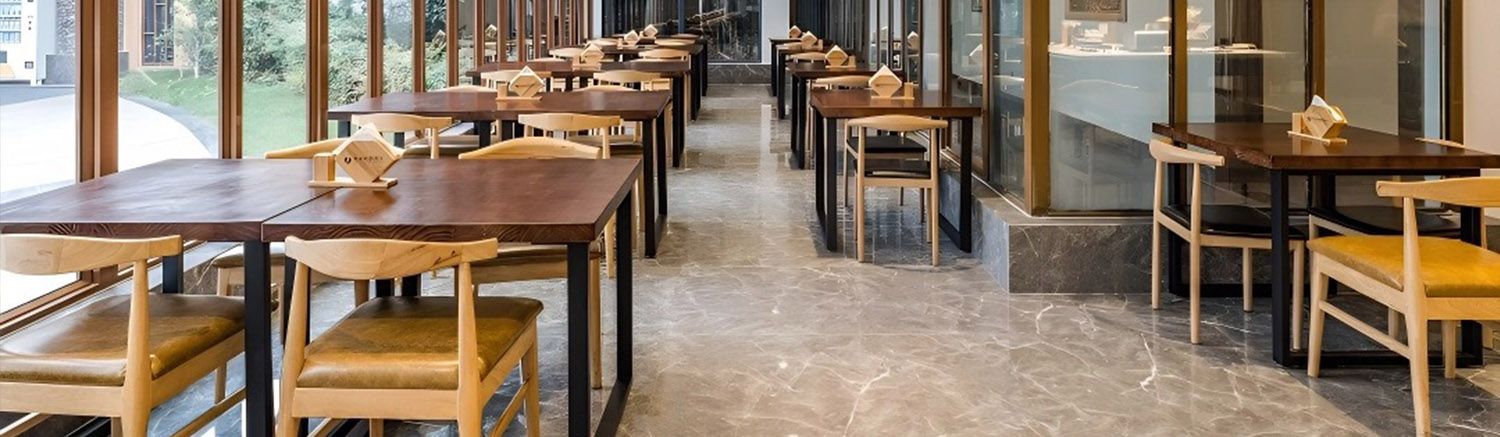
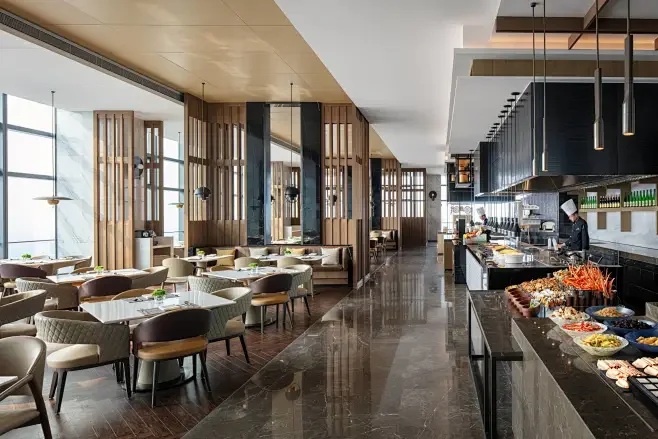
For high-turnover restaurants—such as fast-casual chains, hot pot spots, sports bars, and noodle shops—tables and chairs are not decorative props. They are heavy-duty production tools subject to hundreds of drags, footrests, greasy spills, and harsh sanitizer sprayings every single day.
First-time restaurant operators often buy furniture based solely on pictures and upfront prices. Six months post-opening, they face painful operational headaches: wobbly joinery, peeling tabletop finishes, cracked welds, or screeching metal legs that trigger noise complaints.
Which material actually survives the chaos of high-traffic dining? Here is an unvarnished, operator-focused comparison.
| Dimension | Solid Wood Dining Furniture | Metal Dining Furniture (Steel/Alu) | Metal Wood-Grain (Hybrid) |
| Unit Upfront Cost | Moderate to High (+30-60% vs metal) | Low to Moderate | Moderate (High ROI) |
| Avg. Commercial Lifespan | 3 – 5 Years (Requires care) | 6 – 10+ Years (Zero maintenance) | 5 – 8 Years |
| Physical Impact Resistance | Moderate (Prone to dents/scratches) | Exceptional (Anti-dent, no warp) | Exceptional (Tubing strength) |
| Sanitizer & Moisture Proof | Low-Moderate (Lacquer can peel) | Exceptional (Powder-coat sealed) | High (Heat-transfer protected) |
| Dragging Noise Control | Excellent (Quiet dampening) | Depends on glides (Must use nylon) | Depends on glides (Must use nylon) |
| On-Site Refurbishment | Easy (Can sand, stain, coat) | Difficult (Requires replacement) | Moderate |
| Ideal Restaurant Concept | Warm, Upscale, Fine Dining, Cafe | Fast Casual, Bars, Hot Pot, Noodle Shops | Natural wood look + metal strength |
Answer: All-metal chairs can feel sterile. The industry standard fix is metal frames paired with high-density foam upholstered seats/backs (using stain-resistant PU leather) or Metal Wood-Grain chairs. You get the unbreakable frame strength of metal with the tactile warmth and comfort of upholstery.
Answer: This is wood’s biggest vulnerability in food service. If you choose solid wood, specify factory-installed nylon/metal glide caps on the foot base and ensure the bottom cut surface is pressure-sealed with moisture-proof lacquer before leaving the factory.
Answer: This happens when residential-grade chairs with cheap spot-welding are placed in commercial settings. Commercial furniture requires full seam welding (CO2 shielded welding) and tubing thickness of at least 1.2mm. Always request a BIFMA/commercial load test report from your supplier.
Answer: For high-volume venues, the most bulletproof setup is: Cast iron/stainless steel bases + High-Pressure Laminate (HPL) or Sintered Stone tops, paired with metal upholstered chairs. Investing in indestructible bases and chemical-resistant tops yields the lowest total cost of ownership.
Choosing between solid wood and metal dining furniture ultimately comes down to aligning with your specific operating model. High-volume, fast-turnover spaces benefit most from the resilience and low maintenance of metal and wood-grain alternatives. Conversely, concept-driven or fine-dining venues rely on the organic elegance of solid wood to justify higher check averages and encourage longer dwell times.
At Konma Furniture, we design and manufacture commercial seating tailored to the real-world demands of high-traffic dining rooms. Whether you need heavy-duty steel bases, stain-resistant booth seating, or custom hardwood tables built to commercial standards, we provide practical, long-lasting solutions from concept to delivery—ensuring your space looks sharp and performs effortlessly every single day.
Why is the matching of sofas in themed Western restaura […]
When guests drop $200 or more per head at a fine dining […]
Nowadays, when people visit cafes, they pay more and mo […]
1. Where to Buy a Korean BBQ Table? There are two main […]
Related links:
About us Company News Industry Dynamics Table Chair Outdoor-furniture Sofa Latest dining chair Other SSL 100% Secure Transactions